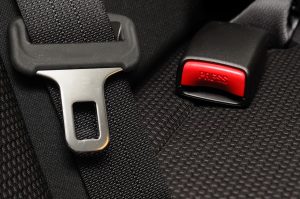
Seat Belt System
The primary function of any seatbelt is to restrain you in your seat during a sudden stop or impact, and for this, it relies on several key parts. This article reviews parts of a seat belt system, how they work, types of seat belt systems, and how they are made.

Die Protection Systems
This article reviews what die protection systems are, their benefits, types of sensors they use, and how to implement an effective die protection system

Poka-Yoke Fixtures
This article reviews what poka-yoke fixtures are, their benefits, when to use these fixtures, and how to implement them effectively.
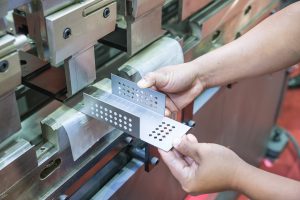
Stage Tooling
Stage tooling, or common shut height tooling, refers to a setup where tooling shuts at the same height. This article explores what stage tooling is, its benefits, disadvantages, as well as the differences between stage and non-stage tooling.
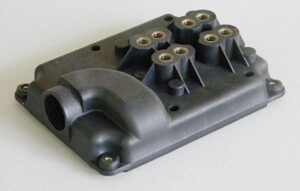
Insert Molding vs Injection Molding
Molding is a key manufacturing process, especially when dealing with molten and malleable materials. Out of the various types, insert molding and injection molding are two of the most common options in industry. This article reviews process and features of insert molding vs injection molding, as well as highlights their differences.

Staking in Manufacturing
Staking is a critical process in manufacturing, especially in the production of layered components or assemblies. This article reviews what staking in manufacturing is, its common types, as well as compares staking to alternative assembly methods.

E-Coating vs Anodizing
When it comes to protecting and enhancing the appearance of metal parts, E-Coating and Anodizing are two popular industrial processes. This article delves into the features of both finishing processes, as well as highlights the differences between e-coating vs anodizing.
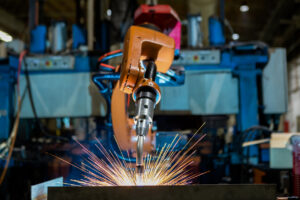
Benefits of Robotic Welding
Robotic welding offers numerous advantages for the precision metal manufacturing industry. In this article, we explore what robotic welding is, the benefits, applications, and compare its features vs manual welding.
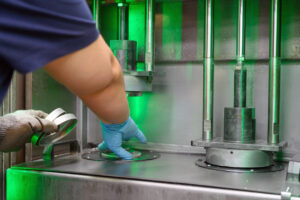
Automotive Metal Stamping
Automotive metal stamping is crucial for manufacturing different shapes and forms of metal components for vehicles. This article explores what automotive metal stamping is, common parts and materials in this process, and its advantages.
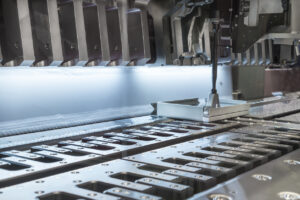
Metal Stamping Advantages and Disadvantages
Metal stamping is a manufacturing process that converts metal sheets into specific shapes by using high-pressure presses and dies. Although metal stamping offers several benefits, it also comes with certain limitations. This article delves into the advantages and disadvantages of metal stamping, exploring factors like cost-effectiveness, production speed, and material constraints.
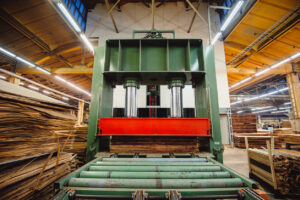
Metal Stamping vs Die Casting
Metal stamping and die casting are two common manufacturing processes, each with distinct advantages and applications. In this article, we examine the processes, benefits, limitations, and ideal use cases of metal stamping vs die casting.
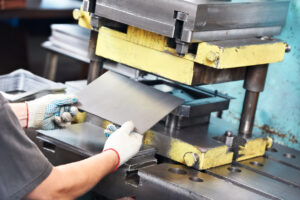
Cold Stamping vs Hot Stamping
Cold stamping and hot stamping are two distinct processes used in metal forming, each with its advantages and applications. This article compares cold stamping vs hot stamping, discussing their methods, benefits, limitations, and typical use cases.