Introduction
Every manufacturing operation faces pressure to reduce part costs. Sourcing cheaper parts seems like a straightforward way to improve margins. However, these apparent savings often carry hidden operational risks. A single low-quality part can fail unexpectedly and bring an entire production line to a stop. The resulting downtime can erase any upfront savings many times over. This article explores how cheap parts lead to production failures, and why precision manufacturing is an investment in reliable, uninterrupted output.
What is Production Downtime
Production downtime is more than a pause in operations. It occurs when your manufacturing line stops producing goods you can actually ship and sell. When that happens, costs begin accumulating immediately. Some of those costs are obvious. You lose revenue every hour the line is not running. Employees remain on the payroll while production stalls, and in many cases, there is a rush to get replacement parts, resulting in quality deficiencies.
But the larger impact often comes from what follows. A delay in orders. Teams must work overtime to catch up. Over time, missed deadlines can damage customer trust. While downtime may seem like a short-term interruption, its financial impact extends far beyond the moment the line stops and affects your entire operation.
Anatomy of Cheap Parts
Cheap parts are rarely accidental. They are often the result of intentional or unintentional compromises in material selection, dimensional control, quality verification, and process execution. Understanding these compromises helps explain why a low initial price so often leads to a much higher long-term cost.
Material Substitution
The most significant cost driver in many manufactured parts is the raw material itself. Substituting a specified high-strength steel with a lower-grade material may reduce cost on paper, but those savings often come at the expense of performance and durability. The savings appear on the invoice, but the failure shows up on the production line months later, and in some cases, immediately.
Risk of Dimensional Compromises in Cheap Parts
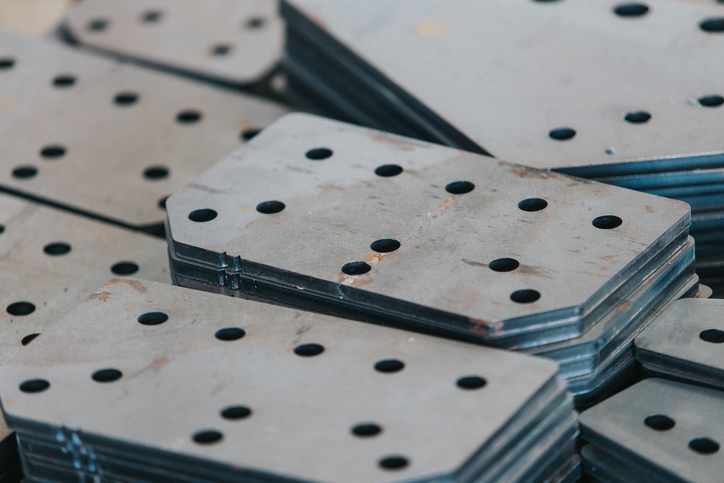
In the production of tooling and machine components, dimensional accuracy is essential. Achieving it requires precision tooling, regular maintenance, and rigorous inspection. Cheap parts often come from worn dies used beyond recommended sharpening intervals or from molds with degraded cavities. These compromises can lead to dimensional drift that goes undetected until hundreds or thousands of nonconforming parts have already been produced.
Quality Verification Gaps in Cheap Parts
Cheap parts often come from suppliers who treat quality as a final inspection task rather than a process-control discipline. Inspection equipment may be uncalibrated, outdated, or unavailable. Quality documentation may be incomplete or unreliable. Certificates of conformance may be issued without supporting data. The paperwork may indicate the parts meet specifications, but field performance quickly proves otherwise.
Process Shortcuts
Proper manufacturing depends on validated processes, adequate lubrication, and in-process monitoring. When suppliers cut corners, such as skipping press tonnage verification during stamping, the result can be incomplete part forming, tool damage, or premature failure in the field.
How Cheap Parts Cause Production Shutdown
Cheap parts can shut down production through several predictable failure mechanisms. Understanding these failure points makes it clear why a lower purchase price often leads to a higher total cost.
Fastener and Thread Failures
Threads on low-quality parts may be poorly formed or incompletely cut. Tapped holes may be undersized, oversized, or contaminated with debris. As a result, fasteners may cross-thread or strip during assembly. Rework may require damaged fasteners to be drilled out or stripped components to be replaced. This type of rework can force a production shutdown, followed by repair and recalibration.
Assembly Line Jams and Stops
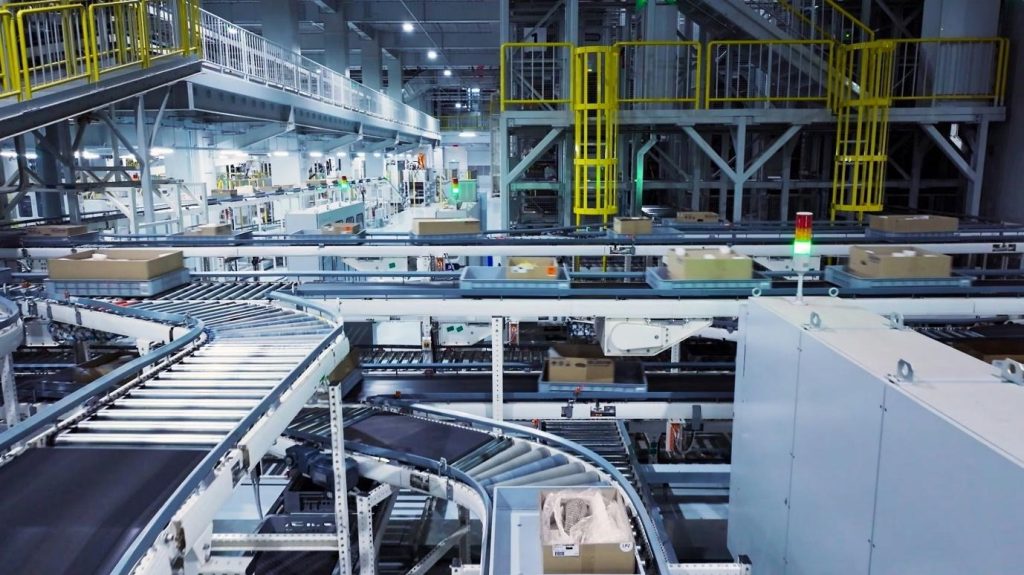
Low-quality parts often fail to meet specified dimensions. Holes may be slightly off-center. Edges may contain excessive burrs. Surfaces may be uneven. These issues can cause parts to feed incorrectly into automated assembly equipment. Once a sensor detects a misfeed, the line may stop immediately, resulting in lost production time.
Sensors and Vision System Rejection
Modern production lines often use sensors and vision systems to verify the presence, orientation, and quality of parts. Low-quality parts are more likely to trigger these systems. A missing feature can cause a failed vision check. An out-of-tolerance dimension can trigger rejection. The rejection may stop the production line or divert the assembly for rework.
The Impact of Production Shutdowns Caused by Cheap Parts
Direct Labor and Overhead Costs
Every minute production is down, labor costs continue. Idle workers receive pay, even when output ceases. At many facilities, each hour of downtime can represent thousands of dollars in direct labor and overhead costs alone.
Lost Production Output and Revenue
When a line goes down, output stops. Orders scheduled for shipment are delayed. Customers are forced to wait. Revenue recognition may be postponed. In many cases, production capacity lost to downtime cannot be fully recovered through overtime alone.
Rework and Scrap Expenses
Components affected by low-quality parts often require rework or replacement. Assemblies that were partially completed when the line stopped must be inspected and evaluated. Replacement parts often must be expedited, increasing procurement costs and adding pressure to already strained schedules.
Equipment Damage and Maintenance
Cheap parts damage production equipment. For instance, a misfed part jams a transfer mechanism, a broken fragment contaminates a bearing, and an oversized part stresses a fixture pin. Equipment repair costs include parts, labor, and downtime.
Implication of Using Cheap Parts Across an Organization or Industry
The decision to use cheap parts affects far more than procurement. The consequences are felt across the entire organization.
Operations and Production
Production teams bear the immediate burden of failures caused by cheap parts. They are the ones stopping lines, clearing jams, troubleshooting issues, and reworking assemblies. Their productivity metrics suffer because of a decision they did not make.
Quality Assurance
Quality teams must inspect incoming low-quality parts more heavily. They find defects, issue rejections, and shift their attention away from process improvement. Their resources divert from long-term quality initiatives to constant firefighting.
Customer Service and Sales
Customer service fields calls about delayed shipments, while sales teams are left explaining missed delivery commitments to customers. Both departments absorb the frustration created by part failures. Cheap parts can damage customer relationships that took years to build.
Precision Manufacturing is an Investment, Not an Expense
Cheap parts may save pennies upfront, but they can create thousands of dollars in production losses. The true cost of any part includes downtime, rework, scrap, equipment damage, warranty exposure, and reputational harm.
Precision manufacturing costs more upfront because it delivers what cheap parts cannot: consistency, reliability, and predictability. These qualities keep production lines running, protect customer relationships, and help prevent costly failures. The lowest quote rarely results in the lowest total cost of ownership.
Production interruptions are expensive. Part failures damage customer trust. Equipment damage leads to costly repairs. The perceived savings from cheap parts disappear quickly when a production line goes silent. Reliability is not accidental. It is the result of intentional engineering, disciplined processes, and suppliers who are committed to doing the job right.
Partnering With ITD Precision
At ITD Precision, we engineer parts for reliability, not just low initial cost. Our decades of experience span material science, tool design, process control, and quality systems. We build quality into the process to prevent defects rather than relying on inspection to catch them after production.
Our parts are produced from certified materials using validated tooling and strict in-process monitoring. Critical dimensions are verified with advanced metrology to ensure consistency and performance.
If your operation cannot afford costly production interruptions, contact ITD Precision to discuss your next component requirement.