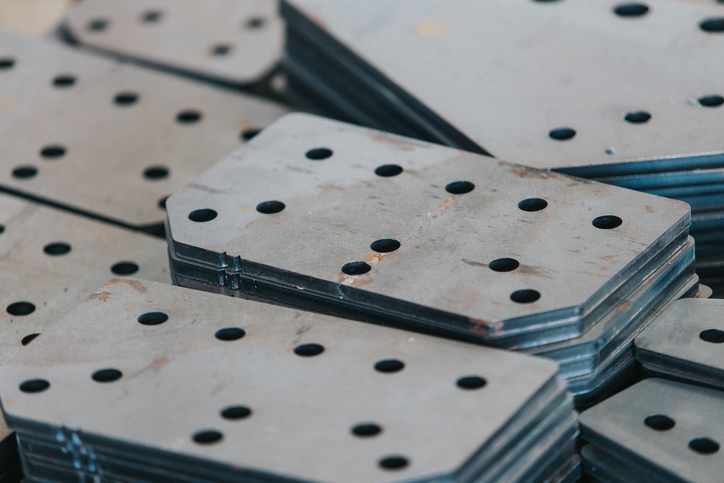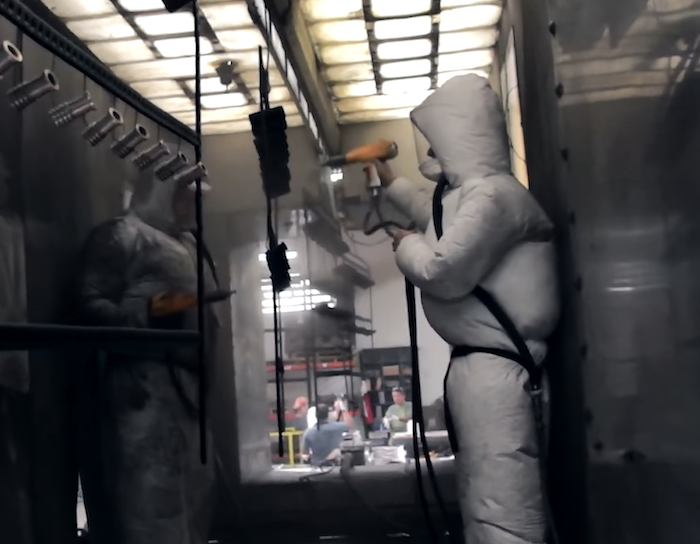
Metal surface finishing is an essential final step that transforms manufactured components. It significantly improves resistance to corrosion and wear, ensuring durability in demanding environments. At the same time, it enhances aesthetic appeal, adding visual value. This article reviews the importance of metal surface finishing during manufacturing, common techniques, challenges, and best practices.
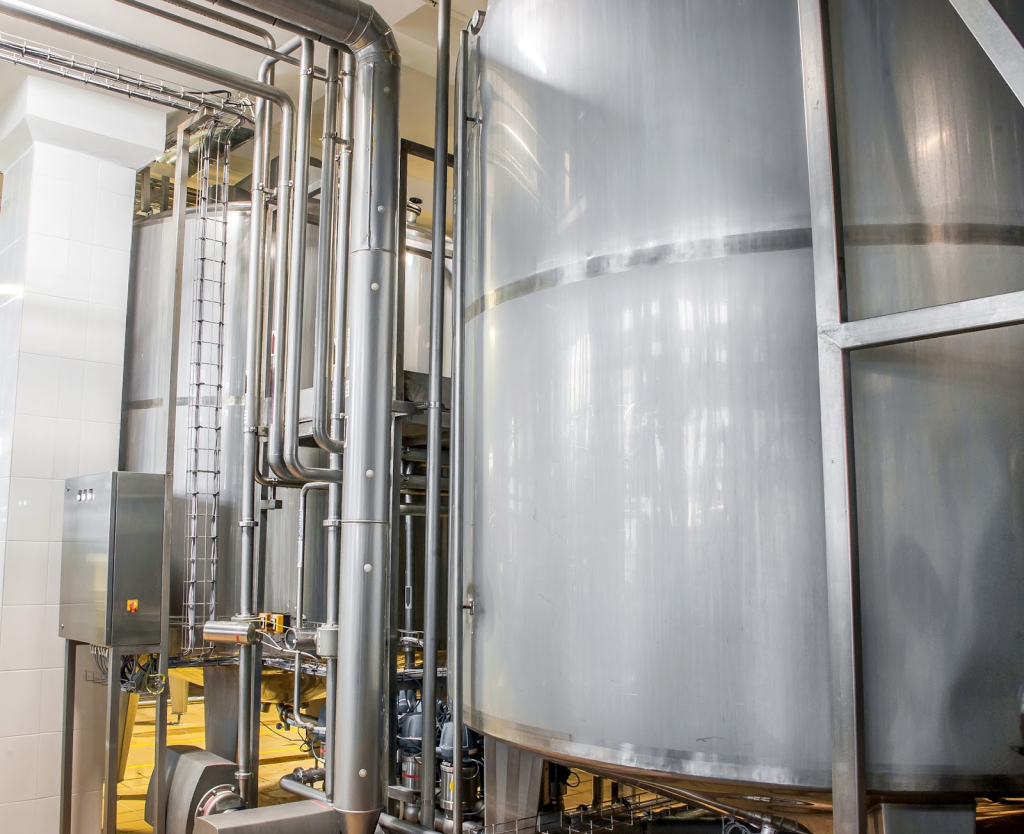
What Is Metal Surface Finishing?
Surface finishing refers to processes that alter a metal’s surface to enhance functionality, durability, and appearance. It is essential for achieving properties such as corrosion resistance, reduced friction, improved hardness, and aesthetic refinement. Generally, metal finishing methods fall into three major categories:
- Mechanical Finishing: Mechanical approaches, such as grinding and polishing, involve physically altering a metal surface to attain a desirable finish.
- Chemical Finishing: It uses reactive agents to clean or coat metal surfaces, and an example of chemical finishing is passivation.
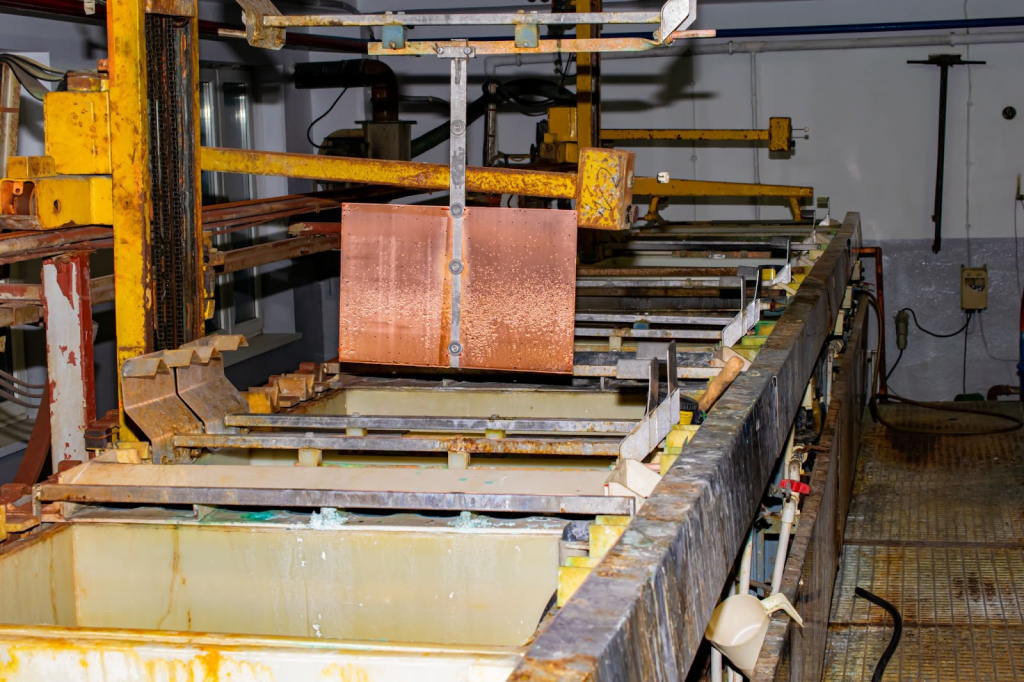
- Electrochemical Finishing: This method involves the use of electrical current to protect or grow protective layers. Examples are electroplating and anodizing.
Why Metal Surface Finishing Matters
Wear Resistance
Carrying out metal surface finishing significantly enhances wear resistance by hardening the surface or applying lubricious coatings. This reduces friction and abrasion, thus maintaining dimensional accuracy and functionality.
Adhesion Properties
Metal surface treatment enhances adhesion properties for subsequent coatings or painting operations. A properly prepared surface ensures the longevity and optimal performance of the paint coating, hence preventing peeling or failure.
Superior Aesthetics
It ensures a superior aesthetic through the process of polishing, texturing, or coloring the metal surface. Moreover, the process creates a visually appealing surface that meets consumers’ expectations and brand standards across industries.
Electrical Properties
The treatment improves electrical properties through plating or anodizing. This enables better conductivity or insulation, depending on application requirements in electronics manufacturing.
Regulatory Compliance
It ensures regulatory compliance by meeting industry-specific standards for safety, performance, and environmental requirements. This is particularly crucial in the aerospace and medical sectors.
Hygiene and Cleanliness
Metal finishing provides cleanliness and hygiene by creating smooth, non-porous surfaces that resist contamination. This is crucial for medical devices, food processing, and pharmaceutical applications.
Common Metal Surface Finishing Techniques
Grinding
Grinding is an abrasive machining process that uses a rotating wheel comprised of hard, sharp particles to remove microscopic chips of material from a metal surface. The process primarily serves to achieve certain features, especially high-dimensional accuracy, tight tolerances, and a superior surface finish by eliminating imperfections from milling, turning, or forging. Factors such as abrasive material (e.g., silicon carbide, diamond), grain size, wheel hardness, and feed rate control the specific outcome. This finishing technique is ideal where precise fit and form are non-negotiable.

Polishing
Polishing is a subsequent process to grinding that utilizes progressively finer abrasive media, often in the form of belts, compounds, or buffing wheels, to level the microscopic peaks and valleys of a surface, ultimately reducing its roughness average (Ra) to a minimal value. The process of polishing could be manual or automatic, and is ideal for architectural hardware and medical instruments.

Electroplating
Electroplating is an electrochemical process wherein metal ions in a solution are reduced and deposited onto a conductive substrate (the cathode) using direct electric current. This technique is employed to confer a vast array of properties that the base metal lacks.
Passivation
Passivation is a critical post-fabrication chemical treatment for stainless steels. It is a non-electrolytic process that removes free iron contamination, tiny particles embedded on the surface due to machining, grinding, or other handling processes. It is a vital finishing step to restore the full corrosion-resistant potential of stainless-steel components, particularly in medical, pharmaceutical, and food processing applications where purity and contamination resistance are paramount.

Powder Coating
Powder coating is a dry finishing process where a thermoset polymer powder, such as epoxy, polyester, or polyurethane, is electrostatically charged and sprayed onto a grounded metal part. This technique produces a much thicker, more consistent, and tougher finish than liquid paints, with excellent resistance to impact, moisture, chemicals, and UV fading.

Factors to Consider When Choosing a Metal Surface Finishing Method
Selecting the optimal surface finishing technique is a critical engineering decision that directly impacts product performance, cost, and manufacturability. Factors to consider when selecting a finishing technique for an application include:
Functional Performance Requirements
The primary determinant is the specific performance characteristic the finish must impart, such as corrosion resistance, electrical conductivity, electrical insulation, wear resistance, and hardness.
Base Material Composition
The substrate metal dictates process compatibility. The metallurgical state must be considered, as some high-temperature finishing processes can anneal the part, hence altering its mechanical properties.
Dimensional Tolerance and Geometry of the Metal Surface Finishing Method
Every finishing process either adds material or removes it, affecting critical dimensions. Processes such as electroplating and abrasion add and remove layers, respectively, which must be accounted for in the design of tolerance.
Aesthetic and Cosmetic Requirements
The desired visual appeal dictates the final process steps, and the consistency of the aesthetic result across the production run is a key measure of process control.
Challenges in Metal Surface Finishing
Material and Design Limitations
Not all finishes are compatible with every metal substrate. For example, anodizing is restricted to aluminum. While complex part geometries with deep recesses or internal features often result in uneven coating distribution, thereby compromising performance.
Cost and Scalability of Metal Surface Finishing
High-performance finishes such as electroless nickel or PVD coatings require expensive equipment and raw materials. Scaling these processes for large-volume production while maintaining quality and cost-efficiency is a major challenge, especially for small to mid-sized manufacturers.
Process Consistency and Quality Control
Achieving uniform finish thickness and composition across complex geometries is difficult. Variations in temperature, chemical concentration, or application time can lead to defects such as peeling, discoloration, or inadequate adhesion.
Environmental Regulatory Compliance
One of the most significant challenges is adhering to stringent environmental regulations. Many finishes involve hazardous chemicals, such as hexavalent chromium in electroplating or volatile organic compounds (VOCs) in painting.
Best Practices in Metal Surface Finishing
- Surface Preparation: The single most critical practice is meticulous surface preparation. This involves rigorous cleaning to remove all organic contaminants and inorganic residues, through processes such as acid picking, alkaline cleaning, or solvent degreasing.
- Process Selection and Compatibility: Choosing the correct finishing process for the specific substrate and application is fundamental. This requires understanding metallurgical compatibility.
- Comprehensive Quality Assurance: Implementing rigorous quality control is non-negotiable. This involves quantitative testing of key parameters such as coating thickness, assessing adhesion, and evaluating corrosion resistance.
- Precise Process Control: Consistent results demand strict control over all process parameters, such as electroplating and thermal spraying. Even slight deviations can introduce defects such as porosity, poor thickness distribution, or insufficient adhesion.
- Environmental and Safety Management: Modern finishing operations must integrate waste treatment and resource recovery. Adhering to regulations restricting hazardous substances.
How ITD Precision Delivers Excellence in Metal Surface Finishing
ITD precision integrates advanced coating, heat treatment, and metrology to achieve superior metal surface finishing. Our automated state-of-the-art Therma-Tron-X Econ-E-Coat paint system ensures uniform paint application and corrosion resistance via controlled chemical pre-/post-treatment and transfer. In addition, our heat-treating capability (notably austempering) delivers cleaner surfaces via salt quenching, minimizing distortion and enhancing hardness and finish. Our quality systems use gloss meters, spectrophotometers, and digital microscopes to measure and verify surface finish consistency, color accuracy, and gloss levels. By combining these finishing processes with tool & die precision, we ensure that metal parts are not only dimensionally accurate but also aesthetically pleasing and highly durable. Contact us today and let us partner in bringing perfection to your finishing process.