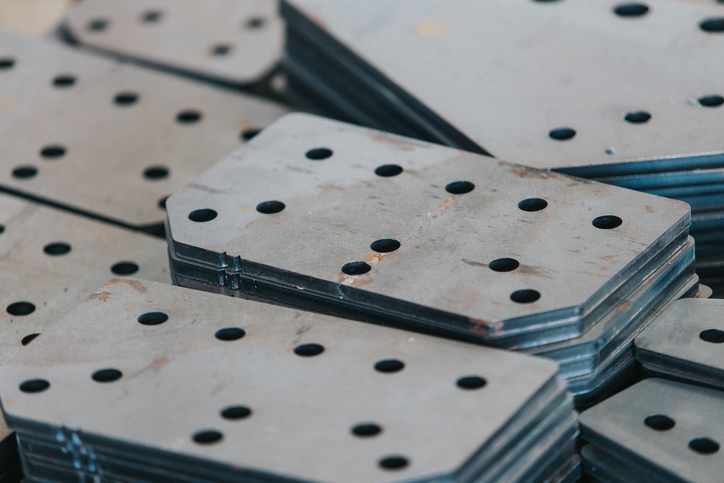
Choosing the right material is critical in metal stamping to ensure durability, precision, and cost-efficiency. This article discusses factors affecting the selection of metal stamping materials, as well as examples of good metal stamping materials.
Factors Affecting Selection of Metal Stamping Materials
A variety of factors come into play when selecting materials for metal stamping, ranging from material properties to specific industry requirements. Understanding these factors is crucial for ensuring that materials meet the performance, durability, and cost-effectiveness requirements for the final product. The following sections review these factors in detail.
Material Properties
The properties of the material used in metal stamping can significantly impact the performance, manufacturability, and reliability of the final product. Critical material properties to consider include hardness, ductility, corrosion resistance, and others. Each of these properties plays a vital role in determining how well the material will perform under various conditions. Therefore, a thorough evaluation of these properties is essential to ensure that the selected material aligns with the intended application.
Strength and Hardness
A material’s strength must align with the functional demands of the end product. High-strength materials like stainless steel and high-strength low-alloy (HSLA) steel are ideal for applications requiring durability and load-bearing capacity. These materials not only withstand significant stress but also maintain their integrity over time. However, while harder materials resist wear, they may pose challenges during forming and stamping, necessitating careful consideration of the manufacturing process.
Ductility and Formability
Ductility refers to a material’s ability to deform without breaking, which is crucial for complex stamped parts. Materials with high ductility, such as aluminum and mild steel, allow for intricate designs without the risk of cracking or failure. This property is particularly important in applications where detailed shapes and features are required. Additionally, formability determines how easily the material can be shaped without defects like wrinkling or tearing, making it a key factor in the selection process. Selecting materials with high formability ensures smoother production, reduces tool wear, and minimizes scrap rates.
Corrosion Resistance
Corrosion resistance is essential for components operating in harsh environments, such as automotive, marine, or aerospace applications. Materials like stainless steel and coated materials (e.g., galvanized steel) offer excellent resistance to rust and oxidation. This resistance not only extends the lifespan of stamped parts but also ensures that they maintain their performance and appearance over time. Therefore, selecting materials with appropriate corrosion resistance is critical for applications exposed to moisture and chemicals.
Weight Considerations
In industries like automotive and aerospace, reducing weight without sacrificing strength is a top priority. Lightweight metals, such as aluminum and magnesium alloys, help improve fuel efficiency and enhance structural performance. However, weight reduction strategies must be balanced with factors such as impact resistance and material cost to ensure that the final product meets both performance and economic requirements.
Conductivity
Electrical and thermal conductivity are key considerations in applications where heat dissipation or electrical performance is necessary. Copper and aluminum possess excellent conductivity, hence, making them ideal for stamped components in electronics, power transmission, and HVAC systems. While copper provides superior electrical conductivity, aluminum offers a lightweight alternative with cost advantages.
Surface Finish
The required surface finish of stamped components depends on both functional and aesthetic considerations. Smooth, polished materials are essential for decorative applications, while textured or coated surfaces improve adhesion for secondary processes like painting or welding. Also, surface finish affects friction during stamping, influencing tool life and material flow. Materials with uniform surface quality contribute to better production efficiency and reduced post-processing costs.

Industry Requirements
Each industry has unique performance, safety, and compliance requirements that influence material selection for metal stamping. Selecting materials that align with these standards ensures reliability, regulatory adherence, and optimal functionality.
Automotive Industry
Stamped components in the automotive sector must withstand mechanical stress, impact, and environmental exposure. Materials such as HSLA steel, aluminum, and galvanized steel are widely used for body panels, brackets, and structural reinforcements. HSLA steel offers an excellent strength-to-weight ratio, improving vehicle safety and efficiency. In addition, corrosion-resistant coatings protect against moisture, road salts, and chemical exposure, thereby extending the lifespan of automotive parts.
Aerospace Requirements
The aerospace industry demands materials that balance strength, weight reduction, and extreme temperature resistance. Stainless steel, titanium, and aluminum alloys are commonly used for structural components, brackets, and enclosures. These materials must meet stringent tolerances and conform to aviation safety standards set by organizations such as the FAA and AMS. The ability of materials to resist fatigue and stress fractures is particularly critical in aerospace applications.
Electronics Sector
Stamped components in the electronics industry require precise dimensional accuracy and high conductivity. Copper and its alloys, such as brass and phosphor bronze, are good for making connectors, terminals, and shielding components. This is because these materials provide excellent electrical performance, corrosion resistance, and ease of fabrication. Also, as thin-gauge materials, they allow for miniaturization, an essential requirement for modern electronic devices.
Medical and Food-Grade Standards
Materials used in medical devices and food processing equipment must be biocompatible, corrosion-resistant, and easy to sterilize. Stainless steel, particularly 316L, is the preferred choice due to its non-reactive nature and resistance to bacterial growth. Compliance with industry standards such as FDA regulations and ISO 13485 ensures that stamped medical and food-grade components meet strict safety and hygiene requirements.
Cost Considerations
Balancing performance with cost is crucial in material selection. Factors that influence cost include:
- Raw Material Price: Metals such as aluminum and steel are cost-effective for large-scale production. Whereas, specialty materials like titanium and copper alloys are more expensive. Choosing the right balance between performance and budget is essential.
- Manufacturing Efficiency: Materials that are easier to stamp, cut, and form contribute to lower production costs. High-formability materials reduce tool wear, minimize scrap rates, and improve cycle times. Selecting materials that optimize stamping efficiency can lead to substantial cost savings over large production runs.
- Availability and Lead Time: Readily available materials ensure uninterrupted production and prevent delays in the supply chain. Choosing materials with shorter lead times helps manufacturers meet tight production schedules while reducing the risk of costly downtime. Factors such as geopolitical influences and supplier reliability also impact material availability.
Sustainability and Environmental Impact
With increasing emphasis on sustainability, the environmental impact of materials is a growing consideration. Key factors include:
Recyclability
Choosing recyclable materials, such as aluminum and steel, helps reduce waste and promote sustainability in manufacturing processes. The ability to recycle materials not only conserves resources but also minimizes the environmental footprint of production. As industries strive to adopt more sustainable practices, the recyclability of materials becomes a significant factor in selection.
Energy Consumption
The energy required to process and manufacture materials affects both environmental impact and production costs. Materials like cold-rolled steel, which require less energy during processing, contribute to lower carbon emissions and reduced operational expenses.
Regulatory Compliance
Compliance with environmental regulations, such as the Restriction of Hazardous Substances (RoHS) directive, ensures that materials used in stamping processes are environmentally friendly and safe for end-users.
The Best Metal Stamping Materials
Although the best material for metal stamping would vary according to the application, the table below highlights some of the common materials.
| Material | Features | Application |
| Copper Alloys | Excellent conductivity, corrosion-resistant, malleable, antimicrobial | Electrical connectors, decorative items, medical components |
| Brass | Bright appearance, good conductivity, non-magnetic | Decorative hardware, ornaments, musical instruments |
| Steel Alloys | Strong, versatile, durable, magnetic (most types) | Automotive, construction, appliances, medical tools |
| Stainless Steel | Corrosion-resistant, aesthetic, durable | Medical parts, food processing, knives |
| High-Strength Low-Alloy (HSLA) Steels | High strength, corrosion-resistant | Aerospace, automotive, construction, vehicle components like wheels and chassis |
| Advance High-Strength Steel (AHSS) | Superior strength for load bearing applications | Automotive, electronics, appliances, construction |
| Aluminium Alloys | Lightweight, corrosion-resistant, malleable | Aerospace, automotive, electronics, lightweight vehicle parts |
| Titanium | High strength-to-weight, corrosion-resistant | Medical, marine and also aerospace |
| Nickel Alloys | High strength, extreme environment resistance | High-temperature application as well as aerospace |
| Phosphor Bronze | Elastic, wear-resistant, conductive | Springs, electrical components |
| Magnesium Alloys | Lightweight, good dimensional stability | Automotive, lightweight structures |
| Beryllium Copper | High conductivity, non-sparking | Electrical connectors and contacts |
Metal Stamping at ITD
Unlock the full potential of your metal stamping projects with ITD Precision’s industry-leading expertise and advanced capabilities. With over 70 years of experience, we deliver high-quality metal stamping solutions using state-of-the-art Minster punch presses and precision 2D/3D design capabilities. Our commitment to excellence is backed by a “Zero Defect” mentality and a dedicated team that ensures consistent quality and efficiency. We serve diverse industries, including automotive, aerospace, construction, and electrical, offering tailored solutions that meet the highest standards. From carbon steel to aluminum and stainless steel, we handle a wide range of materials to fit your unique application needs. Contact us today for reliable, cost-effective, and custom metal stamping solutions that exceed expectations.